

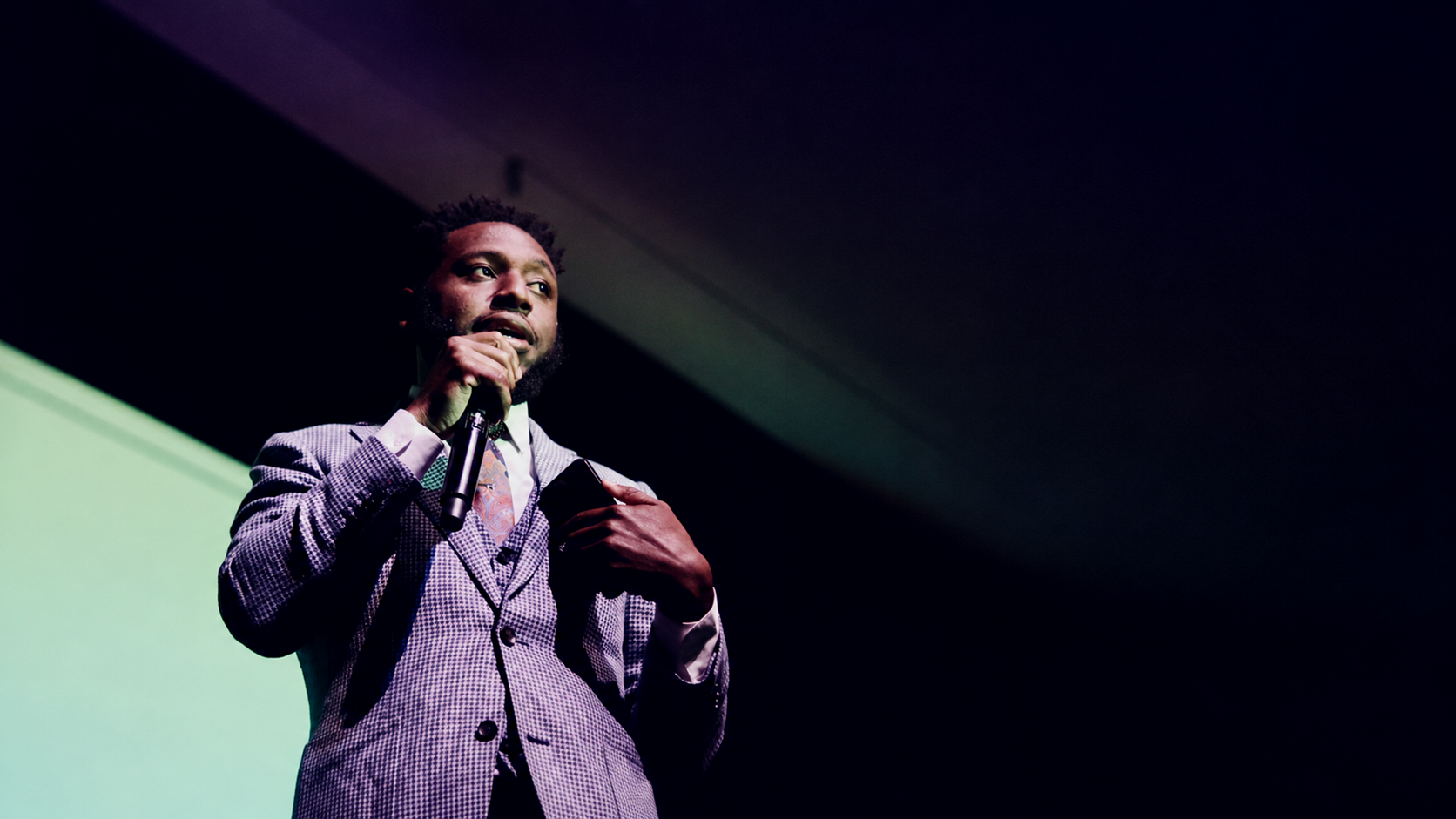
TEDx SPEAKER · SYSTEMS REDESIGN STRATEGIST
Behavior isn’t the problem.
It’s the receipt.
Kenneth L. Bourne II helps leaders recognize and redesign the invisible systems that shape behavior, well-being, belonging, culture, and performance.
96%
PLANNED TO APPLY WHAT THEY LEARNED
98%
RATED SUBJECT-MATTER EXPERT
1,526+
PROFESSIONALS TRAINED

Selected Stages, Institutions & Partners










• THE IDEA• TEDxGREENWOODWATCH THE FULL TEDx TALK • 12 MINUTES
DIFFERENT PEOPLE.
SAME OUTCOME.
That’s not a people problem.
IT’S A
DESIGN PROBLEM.
THE FOUNDATION OF THE DESIGN-CENTERED SYSTEMS METHOD
• STORY
From surviving systems to redesigning them.
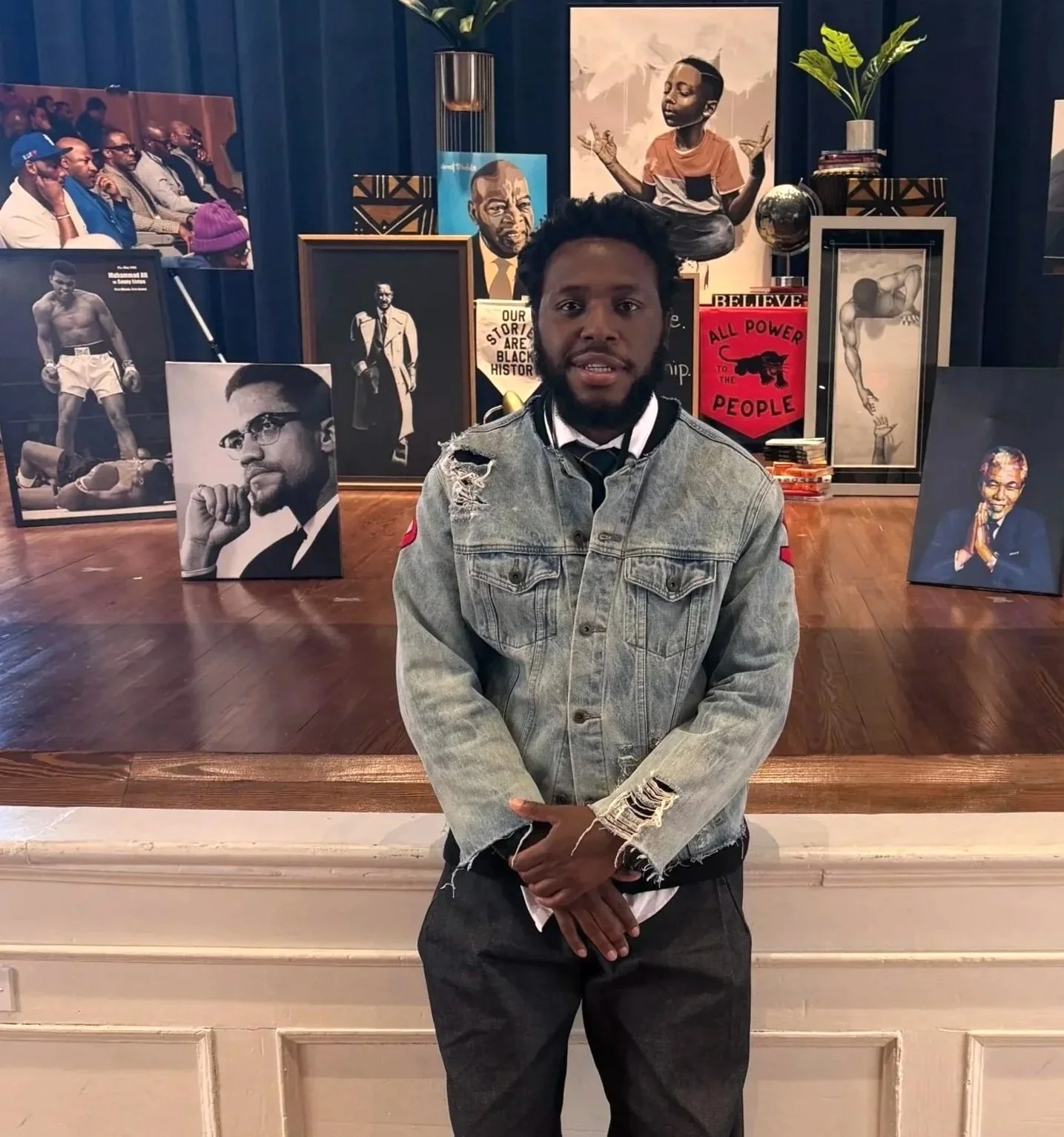
Kenneth at Howard University for National Association of Black Male Educators Convening · Washington, D.C.
“Before I had language for systems, I knew what it felt like to be harmed by one.
Kenneth L. Bourne II
In fifth grade, a science teacher put their hands around my neck and lifted me off the ground. Until then, I imagined becoming a neuroscientist. Afterward, something changed, not only in how I experienced school, but in what I believed was possible for me.
Years later, working alongside Black boys and young men, I recognized the pattern. Their behavior was documented, corrected, and punished while the environments shaping it escaped examination.
I stopped asking, “What is wrong with this person?” and began asking, “What happened here, and what made this outcome predictable?”
That progression from experiencing contradiction, to recognizing the labels that protect systems, to redesigning the conditions producing harm became the Design-Centered Systems Method, an approach blending brain science, lived experience, and cultural responsiveness to build environments where people can thrive.
Philadelphia • Nationwide
• METHODThe Design-Centered Systems Method
Every system reaches a choice.
When lived experience contradicts what an organization claims, the system can label the person or learn from the pattern.
DCSM turns contradiction into evidence for redesign.
• Design-Centered Systems Method• METHODONE METHOD. TWO WAYS INTO THE WORK
FOR ORGANIZATIONS
01
Whether you are redesigning an organization or creating change from within one, there is a path forward.
Redesign the conditions shaping your people.
Keynotes and conference experiences
Workshops and professional learning
Systems consultation and redesign
Team access and fellowship sponsorships
FOR LEADERS AND CHANGE AGENTS
02
PARTNERSHIPS • LEARNING • COMMUNITYStop trying to change systems alone.
The Bourne Anew Collective
Design-Centered Systems Fellowship
Continuing education and courses
Tools, case consultation, and community
• STAGEKEYNOTES • WORKSHOPS • CONVERSATIONSA KEYNOTE THAT CHANGES WHAT THE ROOM CAN SEE.
Kenneth combines lived experience, brain science, cultural responsiveness, and systems thinking to reveal the conditions producing the outcomes audiences are trying to change.
They leave with more than inspiration. They leave with language, a diagnostic lens, and a new path forward.
01
Behavior Isn’t the Problem. It’s the Receipt.
Recognize what behavior reveals about the systems and environments shaping it.
02
Designing systems people can count on
Redesign the conditions shaping wellbeing, belonging, culture, and performance.
03
diagnosing survival
Reframe symptoms as predictable adaptations to systemic conditions, not individual pathology.
• IMPACTMeasurable learning.
Documented results.
1,526+
Participants trained
Verified through available attendance records.
98%
Subject matter expert
Rated Kenneth’s command of the subject.
*Results reflect available attendance records and participant evaluations. Only documented presentations are included.
what the numbers felt like in the room.
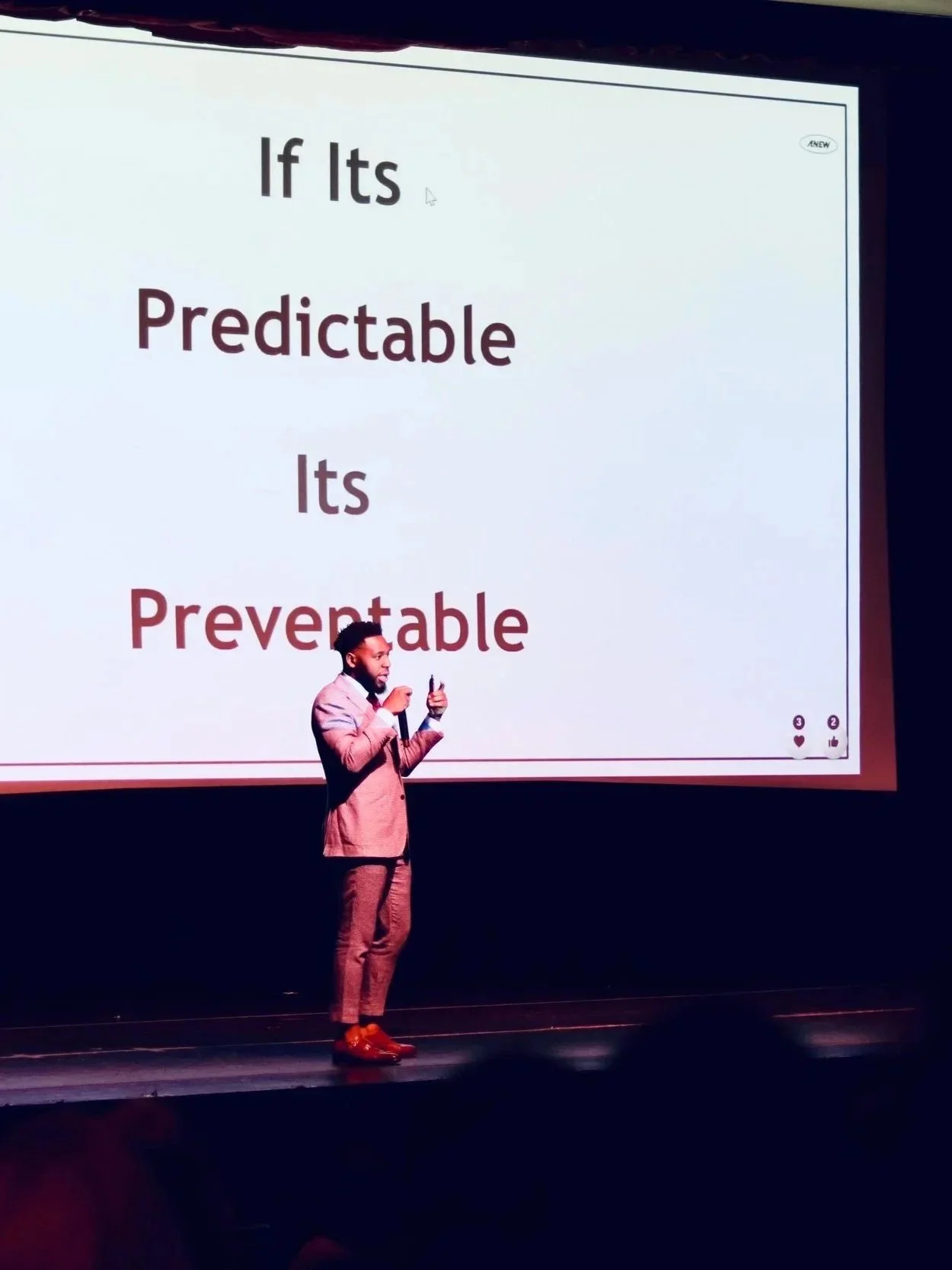
Kenneth keynoting Fairfax County Public Schools’ Social Work Impact Awards
96%
intended application
Planned to put their learning into practice.
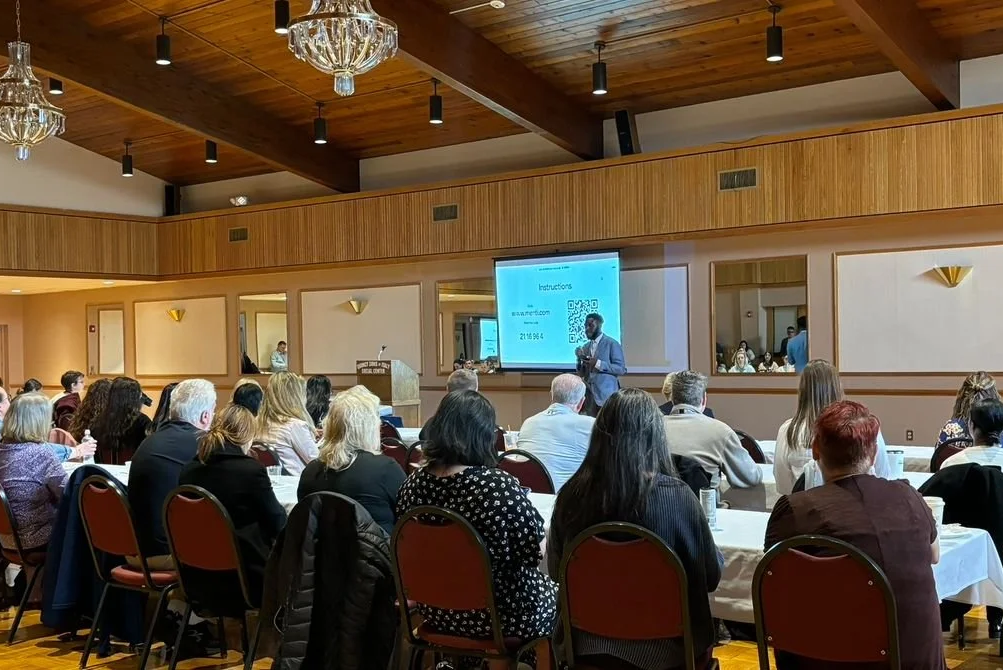
Kenneth is facilitating Bay State Community Services’ fall training.
MEASURED• REMEMBERED • APPLIED96%
Participant satisfaction
Combined satisfaction across national available evaluations.
“It’s important to look at ways to change systems to be more trauma-aware for students. Thank you; best PD I’ve had in a long time.”
“As a pediatric inpatient social worker, I took so many notes that I plan to share with direct care staff and clinical staff.”
“His examples were so well interwoven into his presentation. His humanity brought me to tears for the joy evidenced in his passion for the well-being of others.”
ADDITIONAL Stages, Institutions & Partners








• INVITATIONReady for a different outcome?
Let’s redesign what keeps producing this one.
Kenneth partners with organizations ready to see differently, lead differently, and build environments where people can thrive.
• INVITE KENNETH